Understanding Microplastics with Seep
Microplastics are everywhere, and they’re causing big problems. But what exactly are they, and what can we do about them? Our friends at Seep help us decipher just that.
Seep are passionate about creating eco-friendly cleaning tools and raising awareness about environmental issues like microplastics.
What are Microplastics?
Microplastics are tiny plastic particles less than 5 millimetres in size. They come from the breakdown of larger plastic items and from small plastic particles used in products like toothpaste and washing detergents. Due to their small size, microplastics are difficult to capture and remove from the environment. They easily spread through water and air, infiltrating various ecosystems and ultimately ending up in our bodies.
Why are microplastics harmful?
The widespread nature of microplastics makes them a significant environmental threat. They can harm marine life, disrupt ecosystems, and even pose health risks to humans. Recent studies have found microplastics in seafood, drinking water, and even the human body, including the blood and lungs.
Everyday sources of microplastics
Many common household items contribute to microplastic pollution:
- Cleaning products: For example, magic erasers (melamine sponges) release millions of microplastic fibers.
- Personal care products: Microbeads in exfoliating scrubs are a well-known source.
- Clothing: Synthetic fabrics shed microfibers during washing.
- Packaging: Many food and drink packages are lined with plastic.
Seep’s eco-friendly solutions
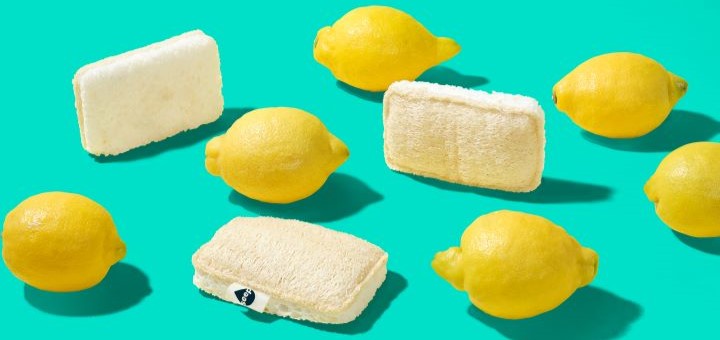
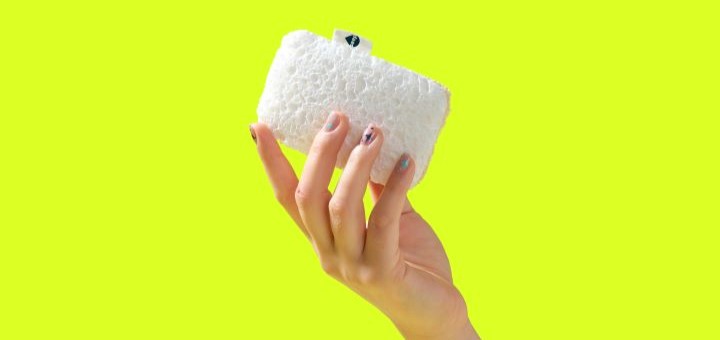
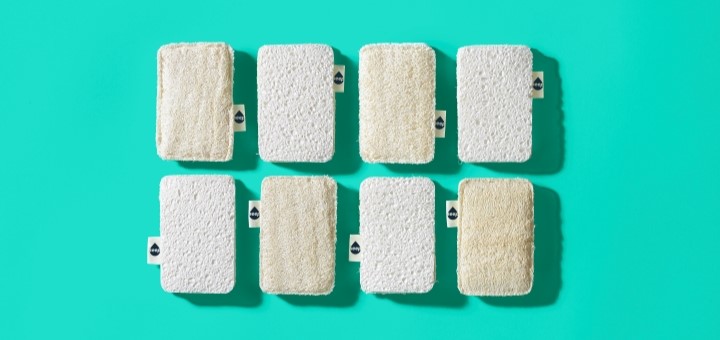
Seep are dedicated to reducing plastic waste. Their sponge scourers, made from loofah and wood pulp, are fully biodegradable and free from harmful microplastics. By switching to their eco-friendly alternatives, you can help reduce microplastic pollution.
What you can do
Reducing microplastic pollution requires collective action. Here are a few steps you can take:
- Choose biodegradable products: Opt for eco-friendly cleaning tools and personal care items.
- Reduce plastic use: Avoid single-use plastics and choose products with minimal plastic packaging.
- Educate yourself and others: Spread awareness about the impact of microplastics and encourage others to make sustainable choices.
A brighter future
While the problem of microplastics is daunting, there is hope. Innovations in eco-friendly products and increased awareness are paving the way for a cleaner planet. By making small changes in our daily lives and supporting sustainable products, we can collectively make a significant impact.