10 fascinating vegan facts (plus one surprising truth about vitamins)
Whether you’re fully vegan, gradually cutting back on animal products, or simply trying to shop more consciously, plant based living continues to grow for a reason.
For many people, it’s not about strict rules. It’s about making thoughtful choices – for health, for animals, and for the planet. And often, it’s the small, everyday swaps that make the biggest difference.
Here are 10 interesting vegan facts – including one about vitamins that might surprise you.
1. The word “vegan” is less than 100 years old
The term “vegan” was introduced in 1944 to describe a lifestyle that avoids all animal products.
In just a few generations, it has grown from a niche philosophy into a mainstream way of shopping and eating. Today, you’ll find vegan options everywhere from ready meals to cleaning products – making ethical choices more accessible than ever.
2. Plants provide plenty of protein
A common question about plant based eating is “will it provide enough protein?”
But beans, lentils, chickpeas, tofu, nuts, seeds and wholegrains all contain protein along with fibre and other beneficial nutrients. With a balanced diet, it’s entirely possible to meet protein needs through plants.
More people are discovering that plant rich meals can feel satisfying and energising, without being overly heavy.
3. Compassionate eating has ancient roots
Plant based eating isn’t a modern invention. Philosophers and communities thousands of years ago promoted animal free diets for ethical and spiritual reasons.
Today’s movement may look different, but the core idea – living with greater awareness and compassion – has been around for centuries.
4. Eating more plants can reduce environmental impact
Food production plays a significant role in carbon emissions and water use. Shifting towards more plant based meals is one of the most practical ways individuals can reduce their environmental footprint.
It doesn’t have to mean going fully vegan. Even choosing a few plant based meals each week can make a measurable difference over time.
5. Many athletes thrive on plant based diets
Elite runners, cyclists, and team sport professionals have embraced plant based diets. Their experience has helped challenge the outdated idea that vegan eating is restrictive.
Instead, it’s increasingly seen as supportive of endurance, recovery, and long term wellbeing.
6. Your Vitamin D might not be vegan
Here’s the surprising one.
Many traditional Vitamin D3 supplements are made using lanolin, which is derived from sheep’s wool. While effective, it’s not suitable for those avoiding animal derived ingredients.
Vegan friendly Vitamin D3 is sourced from lichen – a plant based alternative that provides the same nutritional support. If you’re trying to align your health routine with your ethical choices, it’s worth checking the label.
7. The world’s longest living communities eat mostly plants
In regions often linked to longevity – sometimes referred to as “Blue Zones” – diets are centred around beans, vegetables, whole grains, and healthy fats.
While there’s no single formula for long life, plant rich eating patterns are consistently associated with heart health and healthy ageing.
8. Not all vegan food is automatically healthy
“Vegan” simply means free from animal products – it doesn’t automatically mean nutritious.
There are vegan biscuits and sweets, just as there are whole, nutrient-dense plant foods. As with any way of eating, balance matters. Reading ingredient lists and choosing minimally processed options can help you make more informed decisions.
9. Plants are surprisingly interconnected
Plants communicate through underground fungal networks, sharing nutrients and warning signals. It’s a powerful reminder that nature works as an interconnected system.
Our purchasing choices are similar – they ripple outward, influencing supply chains, farming practices, and environmental impact.
10. Small swaps add up
You don’t need to overhaul your entire lifestyle overnight.
- Choosing plant based milk
- Trying a meat free dinner
- Switching to cruelty free skincare
- Opting for vegan friendly supplements
These incremental changes, repeated over time, create meaningful impact.
Making everyday choices easier
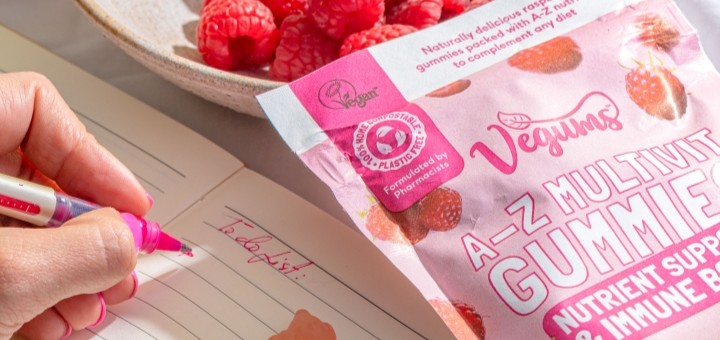
For many households, supplements are part of everyday wellbeing – especially during busy seasons of life.
If you’re looking for veganfriendly options, it helps to check for:
- clearly labelled plant based ingredients
- vitamin D3 sourced from lichen
- transparent sugar content
- ethical certifications
- sustainable packaging
Vegums, for example, offers vegan gummy vitamins designed with plant based formulations and sustainability in mind. For families wanting convenient supplements without animal derived ingredients, they’re a simple swap that aligns with wider ethical values.
Whether that means eating more vegetables, checking supplement labels more carefully, or gradually switching to plant based alternatives, each small decision contributes to a more compassionate and sustainable way of living.
And those everyday decisions – made consistently – are where real change begins.