How to build a palm oil free pantry
Palm oil is estimated to be present in roughly 50% of all packaged goods. In addition to its cosmetic and cleaning product applications, palm oil is a common ingredient in many packaged foods, which can make it difficult to avoid without knowing where to look. Avoiding it might sound daunting, but every little helps. Try making a few simple pantry swaps and see how you get on.
Where palm oil usually hides
Bread, cakes, chocolate and many processed foods often contain palm oil because it’s inexpensive and helps create a consistent texture and shelf life. It can also be found in dairy alternatives, spreads, snacks and convenience foods, making it harder to avoid than you may realise.
The good news is that there are plenty of palm oil free alternatives available. Building a palm oil free pantry doesn’t have to happen overnight – a few simple swaps can make a big difference.
Your guide to stocking a palm oil free pantry
From breakfast and cooking essentials through to snacks and sweet treats, there are plenty of everyday products that can easily be swapped for palm oil free alternatives.
Breakfast swaps
If you’ve settled on a favourite breakfast cereal it can be a tough habit to break. But there are plenty of palm oil free cereal swaps to choose from.
- Bear Multigrain Alphabites – a great educational tool for your kids
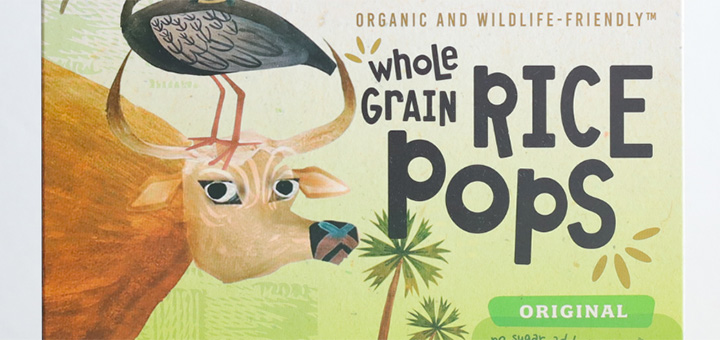
- Ibis Wholegrain Rice Pops – pure organic brown rice with no additives
- Biona Honey Spelt Puffs – made from highly sustainable organic spelt
Spreads are another pantry staple where palm oil often appears. Whether you’re topping toast, making sandwiches or adding a spoonful to porridge, choosing palm oil free alternatives can be an easy everyday swap.
- Mr Organic Dairy-Free Chocolate & Hazelnut Spread – an alternative for chocolate spread lovers that doesn’t compromise on flavour
- Rhythm 108 Organic Creamy Pistachio Spread – a versatile cupboard staple that works as a breakfast topping, snack or ingredient for home baking.
Cooking essentials
There are plenty of palm oil free cooking oils available, so it’s worth choosing one that suits the way you cook, whether that’s frying, roasting or making dressings.
- Mr Organic Sunflower Oil – a versatile oil with a neutral flavour
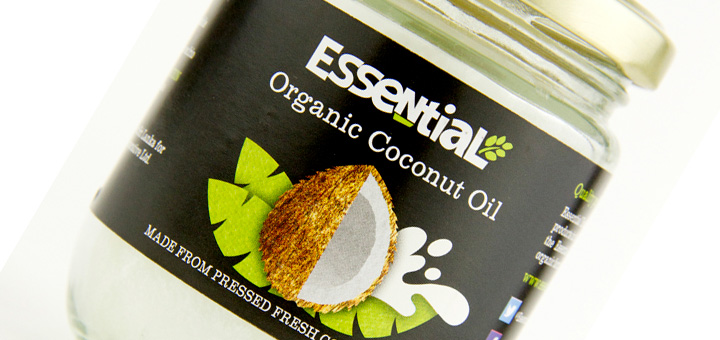
- Essential Trading Coconut Oil – organic and known for its health benefits
- Clearspring Extra Virgin Olive Oil – also works as a dip or salad dressing
Snacks and sweet treats
Sweet and savoury snacks are another common source of hidden palm oil, particularly in processed and packaged foods. Many biscuits use palm oil to add structure and texture, but there are plenty of alternatives available.
- Mr Organic Cocoa Biscuits – organic and vegan-friendly to boot
- Rhythm 108 Biscuit Share Bag – Almond Biscotti – part of an entirely palm oil free range
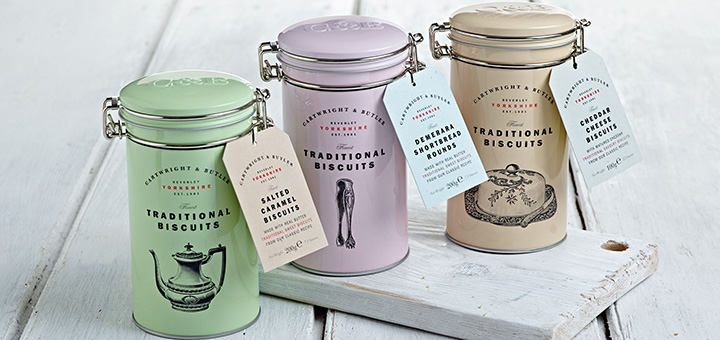
- Cartwright & Butler Demerara Shortbread – presented in a beautiful giftable tin
Chocolate can be another hidden source of palm oil. If you’re looking for alternatives, there are plenty of options available that focus on simple ingredients and high cocoa content. Try one of these cocoa butter-rich options instead with a noticeably rich flavour and simple ingredient profiles.
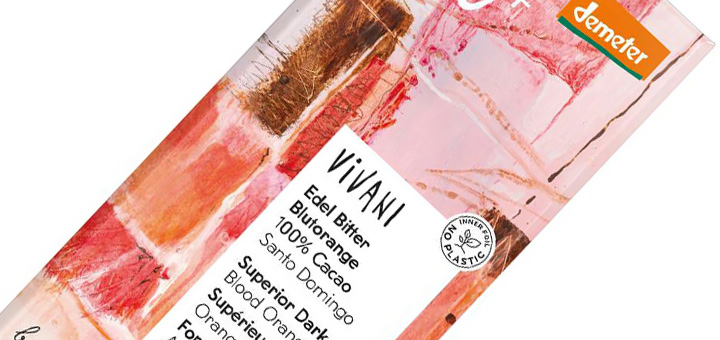
- Vivani Blood Orange Dark Chocolate – 100% cocoa (with a touch of blood orange oil) for unparalleled richness
- Montezuma’s Grand Collection Box – contains milk, dark, raspberry and salted caramel flavours
- Ombar Raspberry & Coconut Centre – 3p from each purchase supports reforestation of the Ecuadorian rainforests
Store cupboard staples
Ready meals and convenience foods have a reputation for containing all sorts of undesirable ingredients, but it doesn’t have to be so – and they can be a health-conscious choice too.
- Geo Organics Coconut & Kale Dahl – an organic, vegan readymade dish in a tin
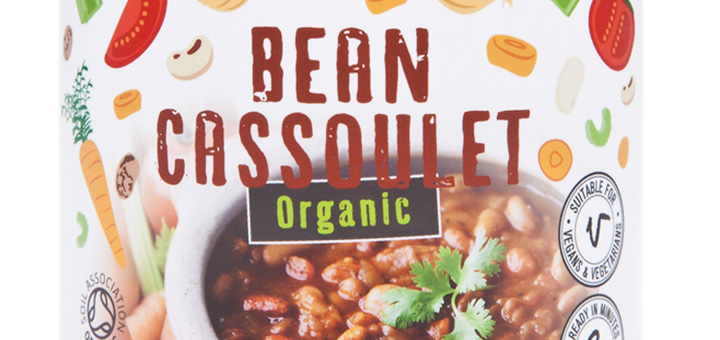
- Free & Easy Bean Cassoulet – delicious, healthy and ready in 3 minutes
- Suma Organic Ravioli – makes a great quick lunch or a side dish for dinner
Simple label reading tips
- Look for brands that clearly state when products are palm oil free and provide transparent ingredient information
- Always check the ingredients list
- Palm oil may be abbreviated as CPO, PKO or CSPO
- Watch out for generic terms such as “vegetable oil”
- Ingredients such as sodium laurate and palmitate can be palm-derived
- Cocoa butter substitute can also indicate the use of palm-derived ingredients
Making a difference
That’s a lot of information, but don’t get overwhelmed! Building a palm oil free pantry doesn’t have to happen overnight. Starting with a few everyday swaps can make it easier to find products that work for your household and values.
Whether you begin with your breakfast cereal, cooking oil or favourite snacks, small changes can add up over time. If you’re looking for more inspiration, browse the Ethical Superstore Palm Oil Free collection for additional pantry staples and everyday essentials.